

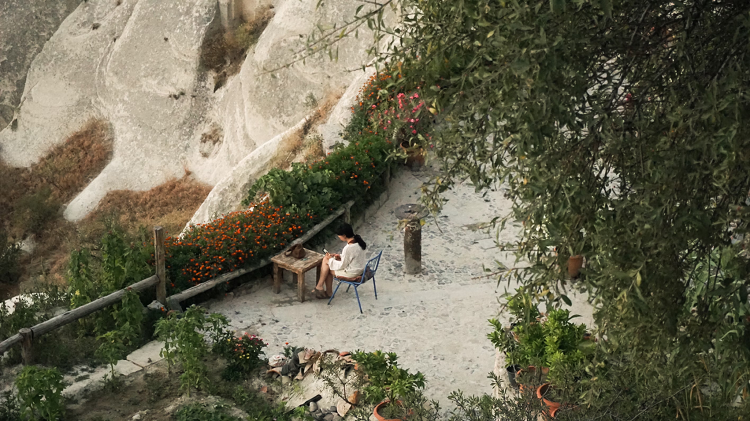
A personal sanctuary offers more than just additional space; it provides a haven where a woman can find peace and clarity away from daily distractions. This room dedicated to nature and quiet invites reflection, creativity, and a deeper connection to oneself.
Every woman deserves a space like this because it creates a unique environment that supports emotional balance, mental wellbeing, and personal growth. Spaces such as garden rooms are ideal for nurturing ideas, relaxing, or cultivating mindfulness, blending the indoors with the natural world.
With thoughtful design, this kind of room becomes a powerful extension of home life, fostering purpose and inner calm.
Why Every Woman Deserves a Garden Room
A garden room offers more than just an outdoor structure; it is a dedicated space that provides quiet, focus, and freedom. It can meet multiple needs—from mental clarity to creative expression—while serving as a refuge from daily demands.
Benefits of Personal Space for Women
Having a personal space like a garden room allows uninterrupted time for rest, reflection, and recharge. Women often juggle numerous roles, including work, family care, and household tasks, making it challenging to find moments alone.
This space supports concentration, reduces stress, and encourages a sense of autonomy. It also empowers women by providing a place shaped entirely around their preferences and needs.
Cultivating Peace and Mindfulness
Garden rooms, surrounded by nature and natural light, create an environment conducive to relaxation and mindfulness. Being close to plants and fresh air helps reduce anxiety and improves mental clarity.
The quiet setting of a garden room enables women to practice meditation, deep breathing, or simply pause and reflect. These moments strengthen mental resilience and reduce the cumulative effects of stress from daily life.
Fostering Creativity and Self-Expression
A garden room can serve as a studio, writing nook, or craft area, providing space to explore artistic passions. Free from interruptions, women can fully engage with their creative process.
This dedicated environment encourages risk-taking in creative projects and supports consistent practice. Personalizing the garden room with inspiring elements nurtures growth and confidence in self-expression.
Supporting Emotional Well-Being
Having a space solely for oneself fosters emotional health by creating boundaries between obligations and personal time. It signals permission to prioritize self-care and mental rest.
Garden rooms offer comfort and a sense of safety where women can process emotions or decompress. This dedicated sanctuary supports emotional balance, helping women manage the often competing demands of life more effectively.
Designing a Garden Room for Growth and Purpose
A garden room designed for personal growth balances calming features with purposeful elements. It encourages focus, reflection, and nurtures wellbeing while allowing customization tied to individual goals. Thoughtful choices in layout, natural integration, and daily use can transform this space into a practical sanctuary.
Choosing Elements that Nurture Purpose
Selecting items that support a clear intention is essential. Furniture should be comfortable but not overwhelming—think a modest desk for journaling or a simple chair for meditation. Plants chosen for air quality and stress reduction, such as lavender or peace lilies, foster calm and clarity.
Natural light is a priority. Large windows or glass doors maximize exposure to sunlight, improving mood and productivity. Including storage solutions helps keep the space uncluttered, reinforcing a sense of control and focus.
A small water feature or wind chime can add soothing auditory elements without distraction. Each feature should serve the goal of the room, whether it’s creativity, relaxation, or self-reflection.
Incorporating Therapeutic Design Principles
Therapeutic design uses nature and layout to enhance mental wellbeing. Biophilic elements like natural wood, stone textures, and abundant greenery connect occupants to the outdoors, which research links to reduced anxiety and improved concentration.
Colors influence mood and energy. Soft greens or blues promote calm, while warm neutrals provide grounding without overstimulation. Avoid clutter and maintain open sight lines to create a sense of spaciousness and ease.
Lighting layers—ambient, task, and accent—allow control over the atmosphere at different times. Adjustable lighting supports varying activities and contributes to circadian rhythm regulation.
Furniture arrangement should prioritize ease of movement and comfort, allowing for both stillness and activity. The design encourages restful yet intentional use of the space.
Personalizing Your Sanctuary
A garden room is most effective when it reflects personal tastes and needs. Incorporating meaningful objects like favorite books, artwork, or mementos enhances emotional connection to the space.
Custom features such as a small herb garden or a dedicated art corner support specific interests and goals. Personalization fosters ownership, making the room a preferred place to return to regularly.
Incorporate sensory elements that soothe or inspire. This could be tactile fabrics, scented candles, or sound systems for music or nature sounds. These details make the room inviting and uniquely tailored.
Minimal yet purposeful decor keeps focus on growth rather than distraction. Personal touches should serve to deepen the space’s purpose and connection to the individual.
Ready to create your own sanctuary? Explore stunning garden rooms to start your journey toward peace and personal growth.
Establishing Routines for Personal Development
Consistency reinforces the garden room’s role. Setting scheduled times for reflection, creative work, or meditation turns the space into a habit-forming environment.
Start with simple routines, like morning journaling or evening reading sessions. Use reminders or visual cues within the room, such as a calendar or motivational quotes, to prompt engagement.
Routine variety helps maintain interest. Alternate activities based on goals, such as yoga, writing, or goal planning. This keeps the room dynamic and purpose-driven. Explore more about garden rooms to inspire your personal development space.